 Drainage and French drains · Iowa City, IA
We install drainage systems and french drains throughout Iowa City, Coralville, North Liberty, and Tiffin.
Get my free quoteIowa City sits in an area where soil and weather team up to create drainage problems. Our soil is mostly silt loam and silty clay loam, which drains slowly and holds water. When we get the kind of rain we saw in September 2026, with over five inches falling in some parts of town, that water has nowhere to go. It pools around foundations, seeps into basements, and turns yards into swamps.
The Iowa River runs right through town, and we have Ralston Creek and Willow Creek cutting through neighborhoods. Flash flooding hits low-lying areas hard, and river flooding from upstream rainfall and Coralville Dam releases affects properties near the water. Homes built in the 1910s through 1940s in neighborhoods like Longfellow and Manville Heights were not designed with modern drainage in mind, and even newer construction on the east and south sides can struggle when the ground stays saturated for weeks.
We install french drains, basement waterproofing systems, sump pumps, and surface drainage to move water away from your foundation. A properly installed drainage system protects your basement, prevents foundation damage, and keeps your yard usable even during wet springs and heavy summer storms.
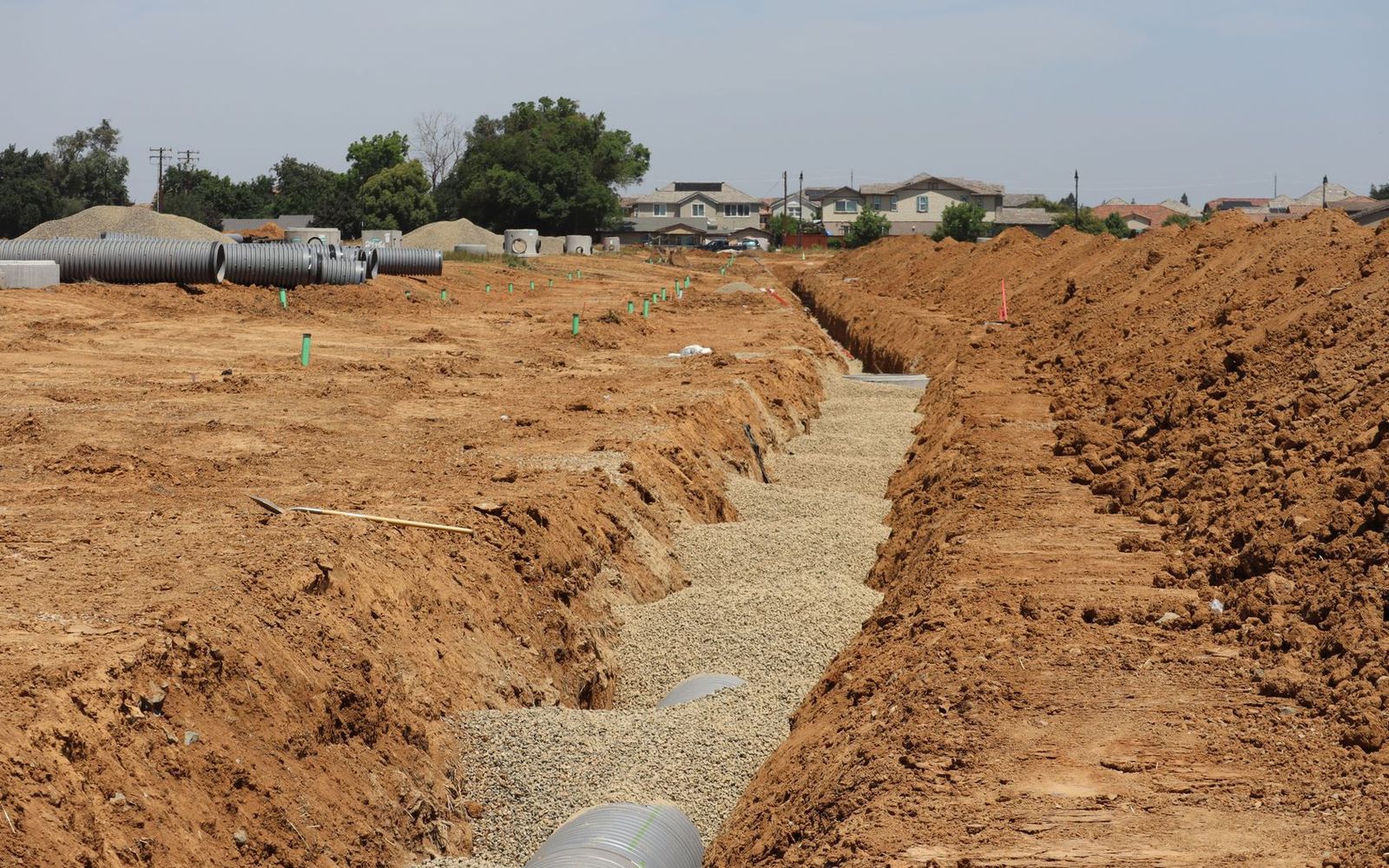
We dig perforated pipe trenches around foundations or across yards to collect and redirect groundwater. French drains work well in our heavy silt loam soil when installed at the right depth with proper gravel bedding.
Interior and exterior waterproofing systems keep water out of your basement during heavy rain and spring thaw. We install drainage tile around footings and connect them to sump pumps or daylight drains.
A reliable sump pump is critical when the water table rises or flash flooding hits. We install primary pumps with battery backup systems so your basement stays dry even during power outages.
Standing water in your yard damages grass and creates mosquito breeding grounds. We grade yards, install catch basins, and create swales to move surface water away from buildings and toward proper drainage paths.
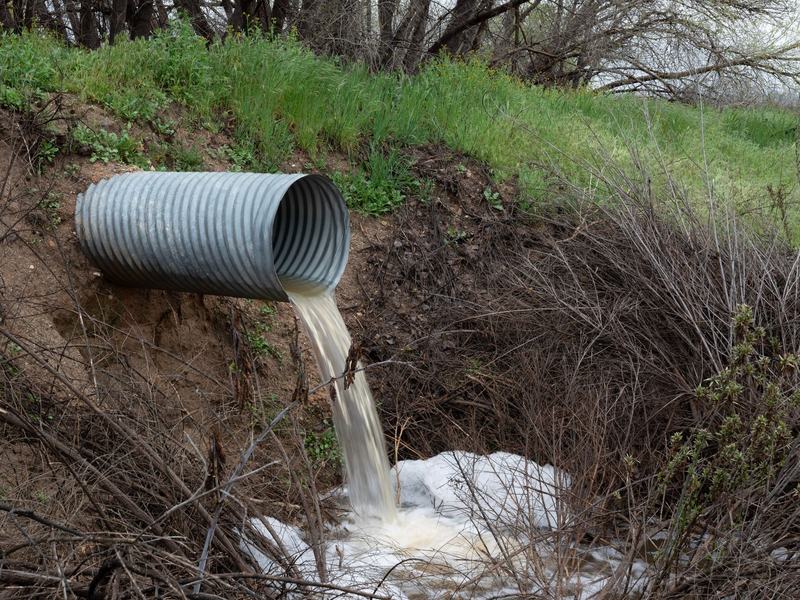
Downspouts that dump water right next to your foundation cause most basement problems. We extend downspouts underground and connect them to french drains or pop-up emitters that discharge water safely away from the house.
Crawl spaces flood easily in our wet climate and sitting water leads to mold and structural damage. We install vapor barriers, perimeter drains, and ventilation systems to keep crawl spaces dry year-round.
Our drainage designs account for silt loam soil with low permeability, heavy spring rains, and the flash flooding that hits us several times a year. We size systems based on local conditions, not generic charts.
Iowa City requires permits for foundation work and drainage systems that connect to storm sewers. We handle the permit process and make sure installations meet city requirements so you do not have problems down the road.
We use the right pipe, gravel, and fabric for Iowa soil conditions. A french drain installed with proper slope and clean stone will work for decades, while shortcuts fail in a few years when silt clogs the system.
We walk your property, explain what is causing the drainage problem, and give you a written estimate before any work starts. You will know exactly what we are doing and why it will work.
Iowa City gets about 36 inches of rain per year, but it comes in bursts. The September 2026 flooding dumped over five inches in parts of Johnson County in 24 hours, and similar events happened in previous years. Our soil is predominantly silt loam and silty clay loam, which the USDA classifies as having poor drainage quality with infiltration rates under five inches per hour. When heavy rain falls faster than the soil can absorb it, water runs toward foundations and into basements. Neighborhoods near the Iowa River, Ralston Creek, and Willow Creek face both flash flooding from local rainfall and river flooding when upstream water moves through town. Older homes in Longfellow, Goosetown, Northside, and Manville Heights often lack proper foundation drainage because those neighborhoods were built between the 1910s and 1940s before modern waterproofing standards existed.
The city requires building permits for foundation work and drainage systems that tie into municipal storm sewers. Most residential drainage projects need a permit if you are excavating near the foundation or altering site drainage patterns. Properties in designated floodplains along the Iowa River and local creeks have additional requirements under FEMA regulations. The southeast and south sides of Iowa City have seen significant new construction in the past 20 years, and even these newer homes need proper drainage when they are built on former farmland with heavy clay subsoil. Basements in areas like South District, Bluffwood, and Windsor Ridge often need sump pumps and perimeter drains to handle groundwater during wet springs when the soil stays saturated for weeks.
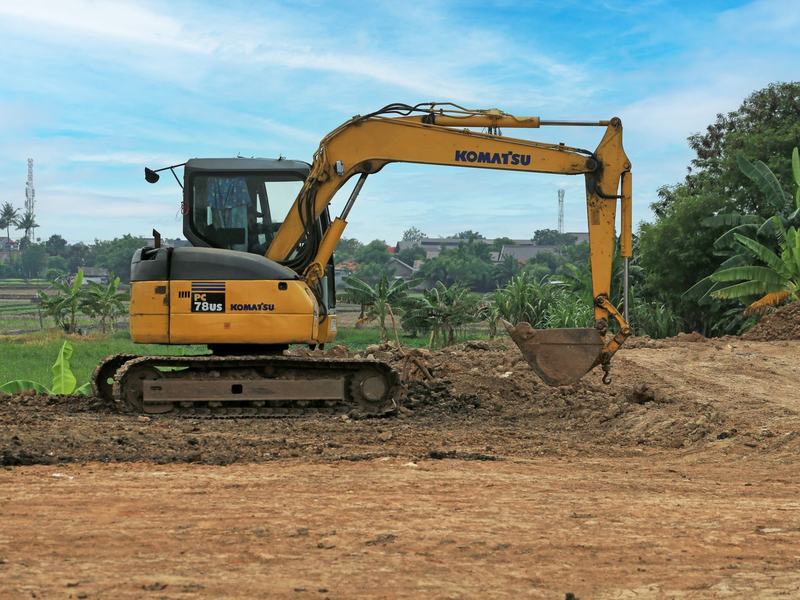
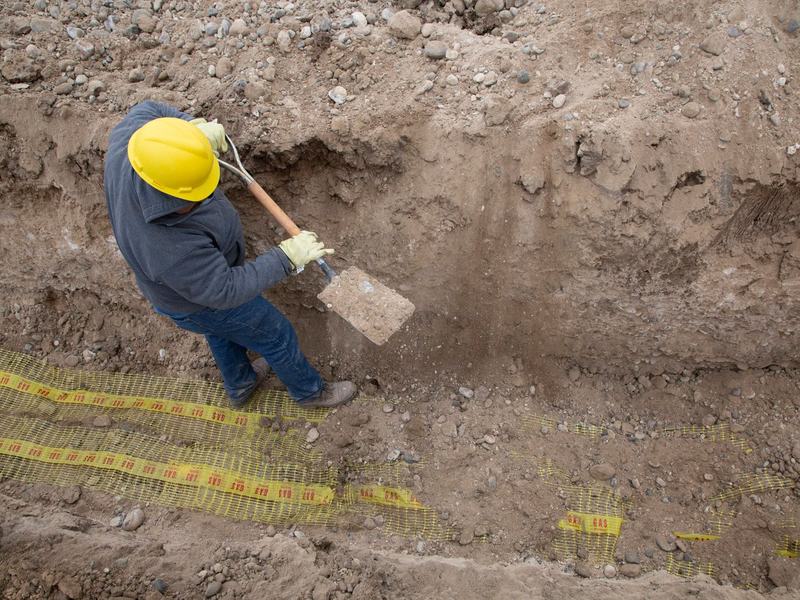
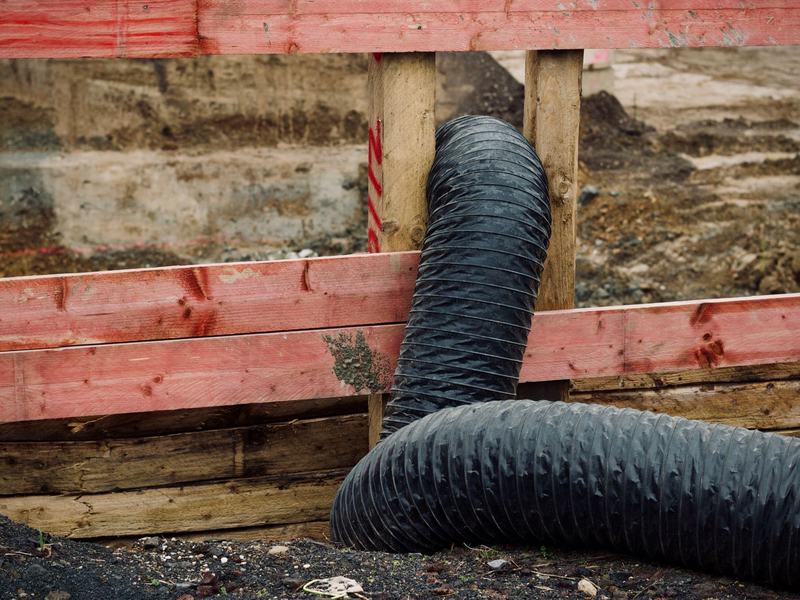
French drain installation typically runs $3,500 to $8,000 depending on length, depth, and site conditions. A basic system along one side of a house with 50 feet of perforated pipe, gravel, and a pop-up emitter costs around $3,500 to $4,500. Full perimeter drains around a foundation run $6,000 to $12,000 depending on basement size and how much concrete or landscaping we need to remove. Sump pump installation with battery backup costs $1,200 to $2,500. Yard drainage projects with catch basins and grading range from $2,000 to $6,000 based on the amount of excavation and pipe. Heavy clay soil, difficult access, or the need to tunnel under driveways and sidewalks increases labor time and cost. Prices go up if we encounter rock, need to remove old failed systems, or coordinate work around mature landscaping you want to save.
Based around Iowa City, IA, we also take jobs in these nearby towns. Put your town on the form and we will tell you right away if we can help.
Our soil is mostly silt loam and silty clay loam, which drains poorly and holds water. When we get heavy rain like the September 2026 storm that dropped over five inches in 24 hours, the ground cannot absorb it fast enough. Water pools around foundations and seeps through cracks or over the top of footings into basements.
Most residential french drains go 18 to 24 inches deep for yard drainage and 6 to 12 inches below the bottom of the footing for foundation drainage. The exact depth depends on where the water is coming from, where we can discharge it, and how much slope we have to work with.
Foundation work and drainage systems that connect to city storm sewers typically require a building permit. Simple yard drainage that stays on your property may not need one, but it is best to check with the city before you start digging.
Yes, but it needs to be installed correctly with proper gravel bedding and filter fabric to keep silt from clogging the pipe. Iowa soil has low permeability, so the drain needs adequate slope and a clear path to discharge water where it will not come back toward the foundation.
A properly installed french drain with clean gravel and quality filter fabric lasts 20 to 40 years in Iowa conditions. Systems that were installed without fabric or with the wrong gravel can clog with silt in just a few years and need to be replaced.
We can work during mild winter days when the ground is not frozen, but most drainage projects happen between April and November. Frozen ground makes excavation difficult and we cannot properly compact backfill when temperatures stay below freezing.
Tell us what you need and where. We usually reply within one business day. A photo helps us give you a faster, more accurate quote.
No obligation and no pressure.
 IOWA CITY